Maryland & DC
Concrete & Heavy Debris Dumpsters
Old driveways, patios and walls weigh far more than they look. These loads go in smaller, low-sided containers that a truck can legally lift.
About this service
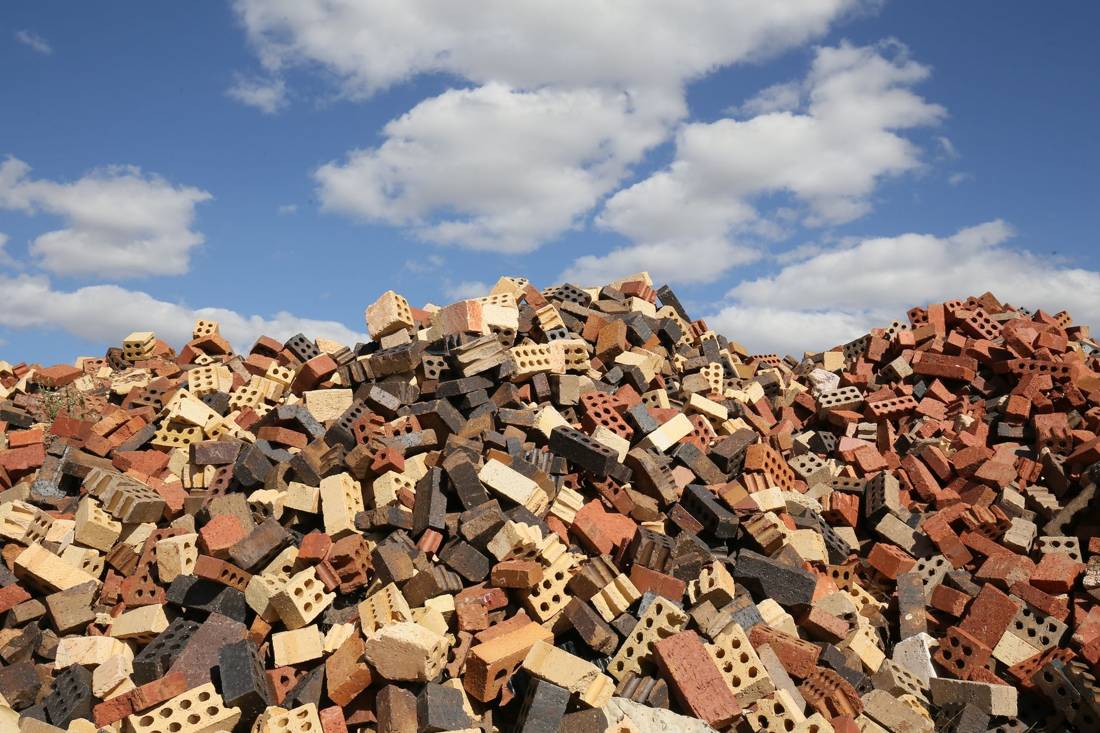
Heavy construction and demolition projects generate specific waste streams that require careful handling. Our concrete and heavy debris dumpsters are designed to manage the substantial weight of materials like broken concrete slabs, asphalt, bricks, dirt, and rocks. These specialized containers ensure your site remains clear and compliant with waste disposal regulations, preventing delays and maintaining safety throughout your project. We understand the logistics involved in moving such dense materials.
Unlike general waste, heavy debris requires smaller capacity containers due to weight restrictions for transport vehicles. Our service helps you select the appropriate dumpster size to accommodate these dense materials without exceeding legal road limits. This specialized approach ensures that everything from a driveway replacement to a foundation excavation is managed effectively, with reliable delivery and pickup tailored to your project's timeline and material volume. We focus on practical, dependable solutions.
In Maryland and DC
In Maryland and Washington DC, managing heavy debris like concrete from a renovated Bowie split-level or soil from a new DC rowhouse foundation requires specific attention. Tight streets, particularly in older neighborhoods, make precise dumpster placement crucial. Homeowners associations in areas like Crofton or Columbia often have rules on container duration and location. Additionally, the region's clay soil and frequent rain can lead to basement water issues, generating wet drywall and carpet that, while not heavy debris, often accompany related concrete work. Understanding these local factors ensures smooth project execution, from navigating permits for street placement in DC to protecting driveways in Prince George's County.
Choices
Your options
10-Yard Roll-Off Dumpster
This smaller, sturdy container is ideal for heavy materials like concrete, asphalt, and soil. Its compact size ensures it can be safely transported even when fully loaded with dense debris, preventing overweight issues.
15-Yard Roll-Off Dumpster
Suitable for medium-sized demolition or excavation projects, this dumpster handles a significant volume of heavy waste without compromising transport safety. It's a practical choice for driveways or small foundations.
Dedicated Concrete Disposal
We offer specific dumpsters for 'clean' concrete loads, meaning no mixed debris like wood or trash. This allows for specialized recycling processes, supporting environmental efforts and efficient material recovery.
Dirt & Soil Removal
For landscaping, excavation, or basement waterproofing projects, our heavy debris dumpsters are perfect for disposing of large quantities of dirt, clay, and rock. Keep these materials separate for proper handling.
Step by step
Step by step
- 1
Select Container Size
Choose the right dumpster size for your heavy materials. Our team can guide you on the appropriate option, keeping in mind the density of concrete, soil, or asphalt to ensure safe and legal transport.
- 2
Delivery to Site
We deliver the specialized roll-off dumpster directly to your project location. We recommend placing boards under the container to protect surfaces like soft lawns or new asphalt from potential marks.
- 3
Load Heavy Debris
Fill the dumpster with your designated heavy materials, such as broken concrete, bricks, asphalt, or dirt. Ensure the load is level and does not exceed the container's designated fill line for safety.
- 4
Prompt Pickup
Once your project is complete or the dumpster is full, contact us for pickup. We will promptly remove the container and transport the heavy debris for proper disposal at authorized facilities.
Questions
More on concrete & heavy debris dumpsters
What materials are allowed in a concrete and heavy debris dumpster?
These dumpsters are specifically for dense, inert materials such as broken concrete, asphalt, bricks, blocks, dirt, sand, gravel, and rocks. It is important to keep these loads separate from general trash, yard waste, or hazardous materials to ensure proper disposal and prevent contamination.
Why can't I use a large dumpster for heavy debris?
The primary reason is weight. Concrete, soil, and asphalt are extremely dense. A large dumpster filled with these materials would exceed the legal weight limits for transport trucks, making it unsafe and illegal to move. Smaller containers are designed to handle the concentrated weight of heavy debris effectively.
Do I need to separate my concrete from other demolition waste?
Yes, it is generally best practice to separate concrete. 'Clean' concrete loads can often be recycled, which is an environmentally responsible disposal method. Mixing concrete with other construction debris, like wood or drywall, usually prevents it from being recycled and may incur different disposal processes.
What if my project involves both heavy debris and general waste?
If your project generates both heavy debris and general construction waste, we recommend renting two separate dumpsters. One dedicated to concrete, asphalt, or soil, and another for mixed construction and demolition debris. This ensures compliance and efficient disposal for all material types.
More from F&F
- Roll-Off Dumpster Rental
- Home Remodel & Cleanout Dumpsters
- Basement & Flood Cleanouts
- Construction & Demolition Dumpsters
- Roofing Tear-Off Dumpsters
- Yard Waste & Storm Debris Removal
- DC Rowhouse & Alley Dumpsters
- Commercial & Contractor Dumpsters
- Junk Removal Crews
- Estate, Hoarding & Foreclosure Cleanouts
- Job-Site & Event Portable Toilets
What are you throwing out?
Tell us what is going in the container and where it will sit. We will suggest a size and set a drop-off day.